A website should help people understand the scope, compare options and take the right next step. We design content and layouts, then match forms, e-commerce, catalogues or bookings to the work that follows a click.
Service → case study → enquiry
A clear next step
We establish who needs the information, what they must know before making contact and which facts require your team’s approval. This informs the page map, navigation and order of information. We do not start with an identical set of sections for every business.
We develop descriptions from your materials and knowledge. Polish and English retain the same facts while explaining them naturally for each audience. The information owner approves terminology and specifications. We plan clear headings, image descriptions and link wording, checking information and the complete user journey in both languages.
An online shop is more than a product list. We design the journey from choosing a variant to placing and handling an order. Payment, delivery, messages and integrations are agreed parts of the scope.
We establish the product range, variants and information needed to choose. Where pricing depends on individual arrangements, a catalogue can lead to an enquiry instead. We do not describe that journey as a purchase or a confirmed order.
We organise categories, product records, available variants and the fields needed at checkout. Messages explain missing information and the next step. We also agree what the customer can revise before submitting an order.
We configure agreed payment and delivery methods within the available integrations and account permissions. A status should reflect the actual stage of handling. Receipt of an order, confirmation of payment and a dispatch notification are different messages.
We define where staff review an order and what happens if payment remains unconfirmed or delivery information is missing. Guidance covers agreed statuses and notifications. Additional system connections follow assessment of the API, data and permissions.
Checks cover the product, basket, checkout, test payment, statuses, notifications and exceptions. Printing a label and handing over a parcel are separate acceptance points, not automatic consequences of connecting a carrier. A real payment or dispatch test needs a separate agreement.
Demonstration example: Product A is added to the basket, a delivery option is selected and an operator reviews the order status. This is not a real transaction, parcel reference or sales result.
Prepare the product range, descriptions, images with usage rights, sales and delivery rules, provider accounts and approved documents. You receive an agreed order journey, configuration, test scenarios and an operator guide.
Implementation work, external service charges and ongoing maintenance are separate cost items. Provider selection depends on the case; support for every payment method or carrier is not guaranteed. Shop content and configuration do not replace the owner’s approval of sales arrangements.
The journey follows the sales process.
We agree where an enquiry goes, who handles a booking or order and what the user is told. Storage, notification and receipt are checked separately. Attachments and integrations are not included in every website by default. For a shop, this also means defining exceptions, statuses and payment and delivery arrangements.
We prepare layouts that editors can update within an agreed scope. Guidance covers editing, material requirements and changes needing technical support. Updates, backups and further development have defined owners; they remain part of the plan after publication.
Provide your offer, materials with usage rights, publication restrictions and someone who can approve facts and specialist language. Describe the functions that must remain. You receive a content map, approved copy, layouts, the agreed implementation, a check record and guidance.
We check agreed addresses and languages, mobile views, links and forms, together with keyboard access, contrast and headings within the specified scope. Acceptance covers the correct next step, not just the first screen’s appearance. Automated checks are not a declaration of full WCAG conformance, and publication does not guarantee traffic or enquiries.
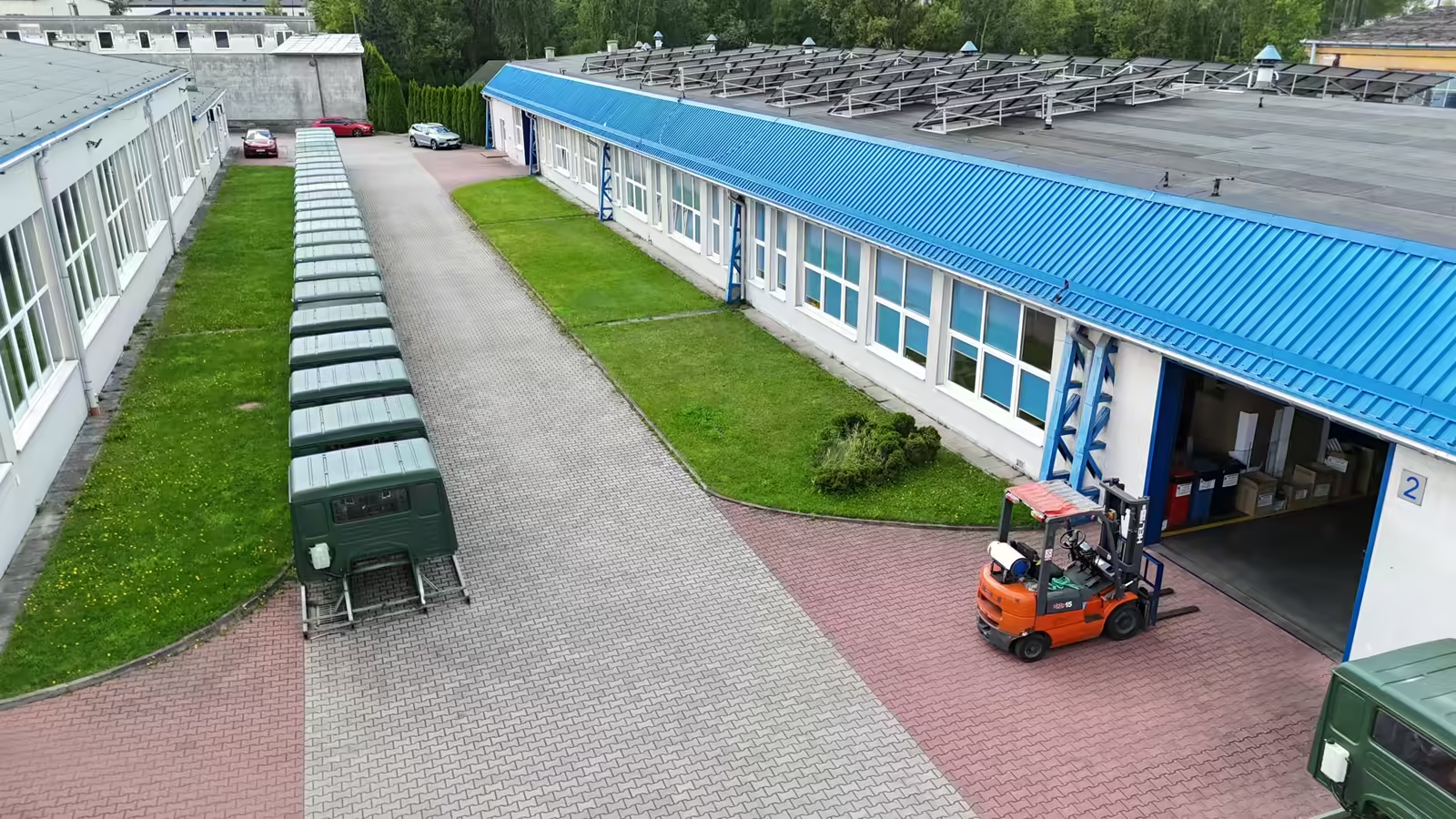
STARPOL · an IRiTS portfolio project
Yes. We first review its structure, content and limitations, then propose improvements or a redesign.
Yes. We work with the team’s knowledge and company materials. Interviews, writing, photography and translation are scoped at the start.
It depends on the layouts, content, languages, integrations and support. The proposal describes these separately, including acceptance and ongoing support costs.
We agree the goal and measurement, such as enquiry quality, service-page visits or document downloads. Analytics respects the user’s consent choices. We do not guarantee a search ranking.
Help a visitor understand what you do, whether it is relevant to them and how to continue the conversation.
A quotation should explain what will be designed, prepared and launched. The number of pages alone does not describe the work.
A new colour or section may help, but first establish what prevents people understanding the offer or taking the next step.
A buyer is looking for information that helps them assess the facility and prepare an enquiry. Organise capabilities around those questions.
Appearance matters, but it is only one part of a website that explains the offer and helps customers take the next step.
A useful timetable starts with the scope and the material available, rather than a promise that fits every project.
Age alone is not the decision. Look at whether the site still supports the business, its users and the changes you need to make.
A practice website connected with service selection, a calendar and appointment requests. Explore the scope of this IRiTS project.
A bilingual foundry website connecting materials, technologies, a knowledge base and enquiry forms. Explore the delivered METAL-KOLOR project.
Start with the products, the information customers need and the way your business fulfils an order. The technology should support that process.
Give visitors a focused explanation and a clear next step when they arrive from a campaign, search or sales conversation.
A language version should help someone understand your business and make an enquiry. Translating the menu alone is not enough.
A business website your team can update, with a structure that supports your services and future development.
Describe your offer and the action visitors should take. We can then define the scope that supports their next step.
Have a quick question? Get in touch.